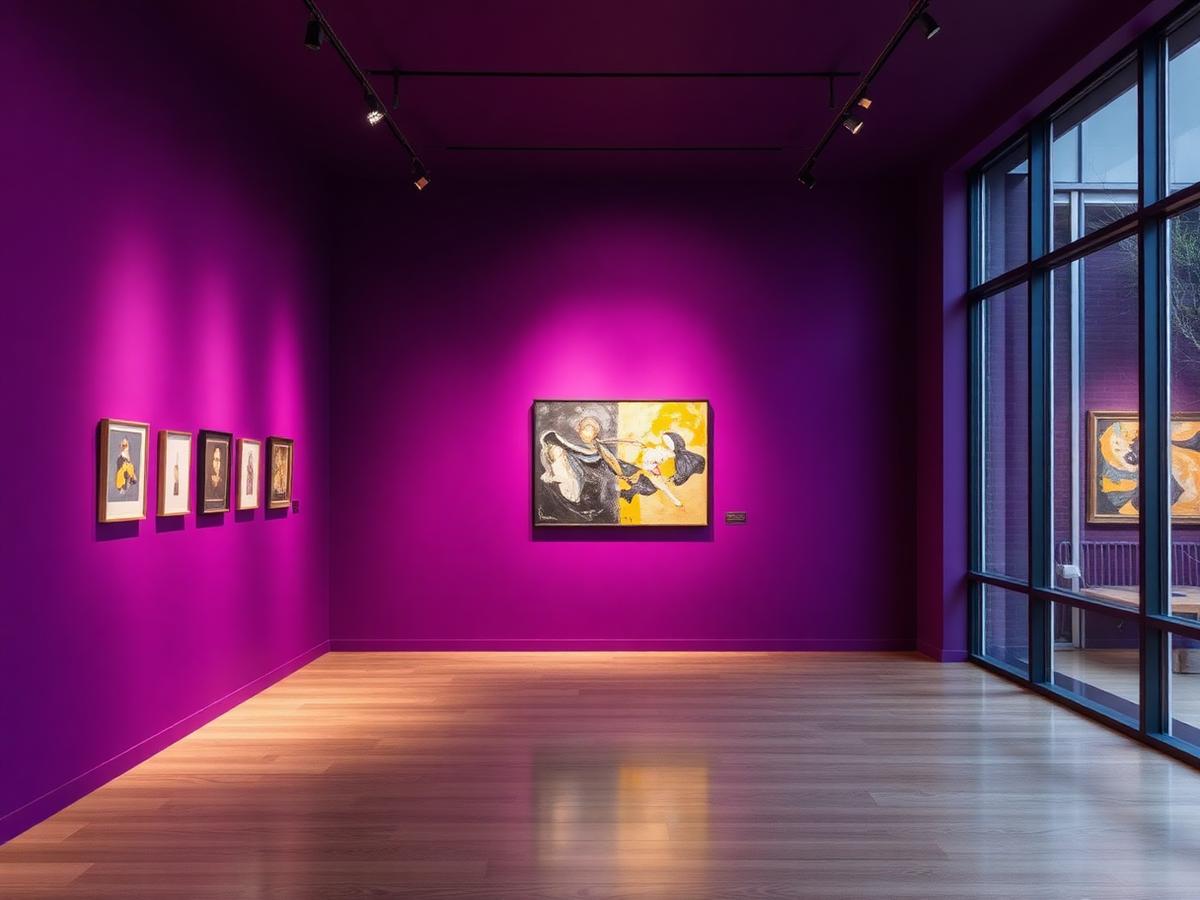
Every six months a museum somewhere announces a campaign to attract younger visitors. The campaign almost always involves a TikTok account, a slightly cheaper ticket, and an installation in the lobby that lights up when you wave at it.
The problem is rarely the marketing. The problem is the building's quiet insistence that the right way to look at a painting is in silence, alone, for exactly the length of time the wall text suggests.
Younger visitors are not refusing to pay attention. They are refusing to pay attention in the particular shape museums have been asking them to. The museums that have understood this — quietly redesigning their galleries for conversation, for sitting, for coming back twice — are filling up.