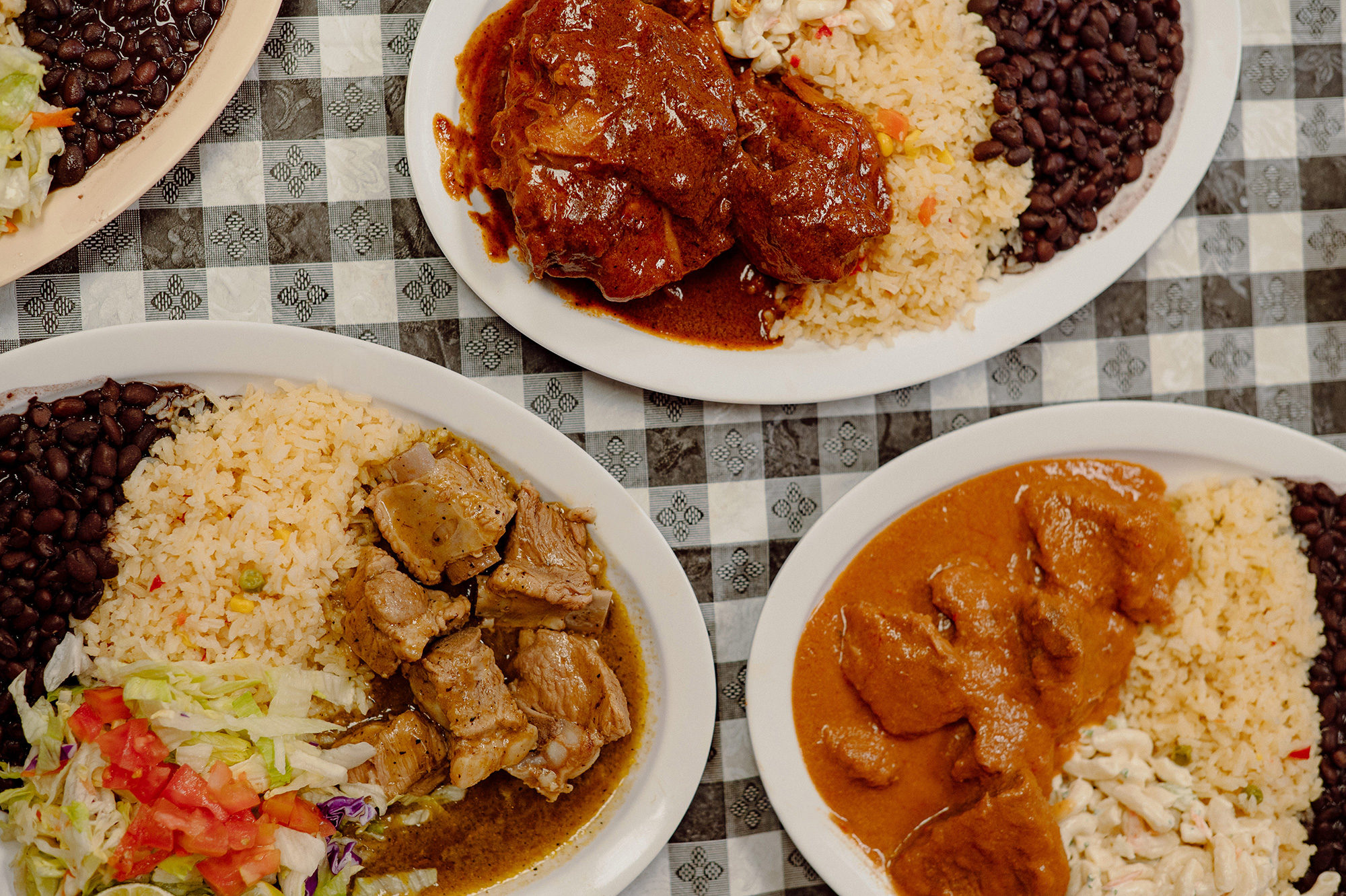
The first time I tasted a proper Guatemalan pepián, I was sitting in a tiny comedor in Antigua, the kind of place where the menu is handwritten on a chalkboard and the cook emerges from the kitchen wiping her hands on her apron. The stew arrived in a clay bowl, thick and brick-red, with a scent that was equal parts smoky, earthy, and faintly sweet. One spoonful in, and I understood why this dish has survived for centuries.
Guatemalan cuisine is one of the world's most underrated culinary traditions. It's a living history, a blend of ancient Maya techniques and Spanish colonial influences that has evolved over thousands of years. Corn, chilies, and beans form the holy trinity of Guatemalan cooking, and every meal tells a story of the land, the people, and the resilience of a culture that has preserved its culinary heritage through wars, earthquakes, and the passage of time.
Unlike the fiery, chili-forward cuisine of Mexico, Guatemalan food tends to be more subtle—rich, complex sauces achieved through slow cooking and aromatic spices like achiote, rather than sheer heat. It's food that demands patience, rewards attention, and tastes like nowhere else on earth.
If you've been curious about Guatemalan cuisine recipes but didn't know where to start, this guide is for you. I'll walk you through the essential dishes, share recipes you can actually make at home, and answer all the questions that come up when you're cooking food from a country you've never visited.
Photo Credit: The Flavor Vortex
What Is Guatemalan Cuisine?
Guatemalan cuisine is a fusion of Maya indigenous traditions and Spanish colonial influences that have been blending for over 500 years. The Maya cultivated corn, beans, squash, and cacao long before the Spanish arrived, and those staples remain at the heart of the cuisine today.
Key Ingredients That Define the Cuisine
Ingredient | Role in Guatemalan Cooking |
|---|---|
Corn (Maize) | The absolute foundation—used for tortillas, tamales, atoles, and countless other dishes |
Black Beans | Served with almost every meal, often refried as frijoles volteados |
Chilies | Used for depth and complexity, not just heat |
Tomatillos | Essential for green sauces like jocón |
Pumpkin Seeds (Pepitas) | Thicken stews and add nutty flavor |
Sesame Seeds | Used in recados (spice pastes) and stews |
Achiote (Annatto) | Gives dishes their characteristic red-orange color |
Plantains | Used in both savory and sweet dishes |
Hass Avocado | Guatemala is famously home to the Hass avocado |
Many traditional Guatemalan dishes are cooked without oil, with ingredients placed directly on a comal (a flat griddle) or wrapped in leaves. It's a cuisine built on patience and technique, not shortcuts.
The National Dish: Pepián
If you only try one Guatemalan dish, make it pepián. This thick, rich meat stew is considered the national dish of Guatemala.
Pepián is one of the oldest and most recognizable dishes in Guatemalan cuisine, with origins that blend indigenous Maya cooking with Spanish colonial influences. The stew is thickened with ground pumpkin seeds (pepitas) and sesame seeds, giving it a distinctive nutty depth. It's made with beef, chicken, or pork, simmered with tomatillos, tomatoes, chilies, and a blend of roasted spices. The flavor is rich, slightly bitter from the roasted spices, and deeply satisfying. It's served with rice and corn tortillas—the perfect vehicle for soaking up every last drop of sauce.
"The meat-based stew, thickened with gourd seeds, can be made with beef or chicken. Traditional recipes include tomatillo, tomato and hot chili."
How to Make Guatemalan Pepián
This simplified version captures the soul of the dish in a modern kitchen.
Ingredients:
2 lbs beef chuck or flank steak, cut into chunks
1 tbsp avocado oil
1 white onion, quartered
4 cloves garlic, peeled
1 lb tomatillos, husks removed and rinsed
2 Roma tomatoes, halved
2 dried guajillo chiles, stems and seeds removed
1 dried pasilla chile, stem and seeds removed
2 tbsp raw pumpkin seeds (pepitas)
1 tbsp sesame seeds
1 tsp dried Mexican oregano
½ tsp ground cumin
4 cups low-sodium beef broth
Salt and pepper to taste
2 medium potatoes, cubed (optional)
2 medium carrots, sliced (optional)
Fresh cilantro for garnish
Instructions:
Toast the seeds and chiles in a dry skillet over medium-low heat, stirring constantly for 1–2 minutes until fragrant. Be careful not to burn them. This simple step is the secret to unlocking deep, nutty flavors.
Sear the beef in a Dutch oven over medium-high heat until deeply browned on all sides. Remove and set aside.
Char the vegetables in the same pot. Add onion, garlic, tomatillos, and tomatoes, cooking until softened and lightly charred, about 8–10 minutes.
Blend the sauce. Transfer the toasted chiles and seeds to a blender with the charred vegetables, oregano, cumin, and 1 cup of broth. Blend until completely smooth.
Simmer. Return the beef to the pot, pour the sauce over it, and add the remaining broth. Bring to a boil, then reduce to a simmer. Cook for 2–3 hours until the beef is fall-apart tender. Add potatoes and carrots in the last 45 minutes if using.
Finish. Season with salt and pepper. Serve with rice, warm corn tortillas, and a sprinkle of fresh cilantro.
Other Essential Guatemalan Dishes
Kak'ik (Turkey Soup)
Kak'ik is a traditional turkey soup from the Q'eqchi' Maya people of the Verapaz region. The name derives from the Maya word for chili. It's a savory, slightly spicy soup made with turkey, tomatoes, cilantro, and achiote, served with rice and tamales.
Jocón (Green Stew)
Jocón is a thick, spicy green stew that's often referred to as a soup. It's made with chicken, tomatillos, green chilies, and cilantro, giving it a vibrant green color. The sauce is thickened with ground pumpkin seeds.
Chiles Rellenos
Stuffed bell peppers filled with a mixture of rice, cheese, meat, and vegetables, then battered and fried. This dish is a beautiful example of Spanish influence on Guatemalan cuisine.
Tapado (Seafood Soup)
A Caribbean coastal specialty from the Garífuna community, tapado is a rich seafood soup made with green plantains, coconut milk, and a variety of fish and shellfish. The coconut milk gives it a creamy, tropical flavor.
Fiambre
Fiambre is a unique salad traditionally served on November 1st for All Saints Day. It's an elaborate, cold salad made with dozens of ingredients—meats, cheeses, vegetables, sausages, and pickled items—arranged artfully on a platter.
Pollo en Crema
A comforting dish of chicken breasts cooked in a rich, creamy sauce with loroco (edible green flowers), chayote, potatoes, and green chilies. It's served with rice and tortillas.
Paches
A unique Guatemalan tamale made with mashed potatoes instead of corn masa, flavored with annatto, allspice, and lard. Traditionally sold by street vendors on Thursdays. Serve with fresh lemon wedges.
Guatemalan Breakfast: What Do They Eat?
The typical Guatemalan breakfast is simple, satisfying, and built around a few key elements:
Scrambled or fried eggs
Refried black beans (frijoles volteados)
Fresh corn tortillas
Fried sweet plantains
Fresh fruit (bananas, mangoes, papayas)
Strong Guatemalan coffee
If you order a desayuno Chapin (traditional Guatemalan breakfast), you'll get all of the above plus a slice of local cheese. Guatemalan coffee is world-renowned, and you'll often get a strong, excellent cup with your breakfast.
Lunch and Dinner: What Do Guatemalans Eat?
Lunch is the main meal of the day in Guatemala, typically eaten between noon and 2 PM. Dinner is lighter and usually served between 6 and 10 PM.
A typical Guatemalan lunch or dinner might include:
A hearty soup or stew (caldo de res, pepián, kak'ik)
Grilled or fried meat (chicken is the most popular)
Rice and refried black beans
Fresh corn tortillas (served with almost every meal)
A simple cabbage slaw or pickled vegetables
Beans, rice, and tortillas are the backbone of most meals. Corn tortillas are often used as a scoop for food. Guatemalan cuisine tends to use mild seasoning compared to Mexican food.
Guatemalan Street Food: What to Try
Guatemala has an incredible street food scene, with vendors selling dishes that haven't changed in generations. Here are the must-try items:
Shucos (Guatemalan Hot Dogs)
A toasted bread roll stuffed with a hot dog, white sausage (longaniza blanca), guacamole, mustard, mayonnaise, and cabbage slaw. The bread is grilled on the cart's flat top until crispy on the outside.
Rellenitos de Plátano
Mashed ripe plantain stuffed with sweetened black bean paste, fried until crispy, and dusted with sugar. They're technically a dessert, but many Guatemalans eat them as a snack at any time of day.
Tostadas
Crispy fried tortillas topped with guacamole, salsa, shredded chicken or black beans, and pickled cabbage (curtido).
Chuchitos
Small, firm corn-masa tamales filled with a tomato-based recado and pork or chicken, wrapped in corn husks and steamed. They're a popular breakfast food.
Elotes Locos (Crazy Corn)
Boiled or grilled corn loaded with mayonnaise, ketchup, mustard, hot sauce, lime juice, and grated cheese.
Garnachas
Crispy fried tortillas layered with seasoned ground beef, sautéed cabbage, tomato salsa, and cotija cheese.
Mixtas
The Guatemalan version of hot dogs—but the sausages are placed in tortillas instead of buns.
Easy Guatemalan Recipes to Make at Home
Here are some simple, authentic recipes you can make in your own kitchen:
1. Frijoles Volteados (Guatemalan Refried Black Beans)
This is the real deal—thick, glossy, creamy refried black beans made from scratch. They show up on tables across Guatemala as a dip, a side, or alongside breakfast eggs.
Quick version: Sauté finely chopped onion and garlic in oil until golden. Add cooked black beans (or high-quality canned ones) and mash them in the pan, folding constantly until they form a thick, smooth paste.
2. Guatemalan Guacamol
Guatemalan guacamole is simpler and lighter than Mexican versions. Mash ripe avocados with lime juice, red onion, and tomato—no heavy seasoning.
3. Chuchitos
Small corn-masa tamales filled with a simple tomato sauce and chicken or pork, wrapped in soaked corn husks and steamed. Soak the corn husks for about 30 minutes until soft.
Guatemalan vs Mexican Food: What's the Difference?
This is one of the most common questions, and the differences are significant:
Aspect | Guatemalan Cuisine | Mexican Cuisine |
|---|---|---|
Spice Level | Milder, more subtle | Often spicier, chili-forward |
Beans | Black beans, refried thickly | Pinto beans, sometimes refried |
Tamales | Wrapped in banana leaves, softer | Wrapped in corn husks, denser |
Enchiladas | Tostadas (flat, crispy) | Rolled tortillas in sauce |
Guacamole | Simpler, lighter "guacamol" | More complex, sometimes with cilantro and jalapeño |
Guatemalan food is more about complex sauces achieved through slow cooking than about heat. It's a cuisine of subtlety, not fireworks.
Guatemalan Dining Etiquette
If you're invited to a Guatemalan home, here's what you need to know:
Before eating, say "Buen provecho" (Enjoy your meal) to everyone at the table.
Don't begin eating until the host says "Buen provecho" .
Keep your hands visible above the table when not holding utensils.
Use tortillas to scoop some foods.
Thank everyone at the table when the meal is finished.
Eat everything you're served—it's considered polite.
If you don't like something, try a little bit anyway.
Don't bring food as a gift to a home dinner—it implies you don't appreciate their cooking.
If you must leave the table, say "Con permiso, ya vengo" (With your permission, I'll be right back).
It's appropriate to stand when someone arrives at the table.
Common Guatemalan Desserts and Snacks
Dessert | Description |
|---|---|
Pastel de Banano | A homemade banana sponge cake, served dusted with icing sugar |
Rellenitos de Plátano | Fried plantain stuffed with sweet black bean paste |
Cocadas | Coconut and sugar candies |
Arroz con Leche | A traditional rice pudding with cinnamon |
Dulces Típicos | Regional sweets made from fruits, nuts, and chocolate |
Chocolate | Guatemala has a long history of chocolate, dating back to the ancient Maya |
Health and Food Safety in Guatemala
Is Guatemalan Food Healthy?
Traditional Guatemalan food is generally healthy—it's built on beans, vegetables, corn, and lean meats. Many dishes are cooked without oil, with ingredients placed directly on a comal or wrapped in leaves.
Tap Water Safety
Do not drink tap water in Guatemala. Stick to bottled or filtered water. Avoid ice unless you're sure it's made from filtered water. Fruits and vegetables should be washed in bottled water.
Street Food Safety Tips
Choose busy stalls with high turnover—freshly cooked food is safer
Watch for crowds—a long line of locals is a good sign
Eat food that's cooked to order and served piping hot
Peel fruits like bananas, oranges, and avocados—they're safer
Frequently Asked Questions
What is the most famous Guatemalan dish?
Pepián is the most famous and is considered Guatemala's national dish. It's a thick, rich meat stew made with beef or chicken, tomatillos, tomatoes, chilies, and ground pumpkin and sesame seeds.
What is Guatemala's national dish?
Pepián is officially recognized as the national dish of Guatemala. It's often served with rice and corn tortillas.
What is a typical Guatemalan breakfast?
A typical Guatemalan breakfast includes scrambled or fried eggs, refried black beans, corn tortillas, fried sweet plantains, fresh fruit, and strong coffee.
Is Guatemalan food different from Mexican food?
Yes. Guatemalan food is milder, uses black beans instead of pinto beans, and features banana leaf-wrapped tamales rather than corn husk-wrapped ones.
What do Guatemalans eat with every meal?
Corn tortillas are served with almost every meal in Guatemala. Black beans and rice are also ubiquitous.
What do Guatemalans say before eating?
Before a meal, Guatemalans say "Buen provecho" to everyone at the table.
What are some easy Guatemalan dishes to make?
Frijoles volteados (refried black beans), guacamol (simple Guatemalan guacamole), and tostadas are all easy to make at home.
What is a Guatemalan snack?
Popular snacks include rellenitos de plátano (fried plantain with black bean paste), tostadas, chuchitos (small tamales), and elotes locos (loaded corn).
What is Guatemala's special food?
Guatemala is especially known for pepián, kak'ik (turkey soup), jocón (green stew), and fiambre (the elaborate All Saints Day salad).
What is the Guatemalan version of enchiladas?
In Guatemala, an enchilada is a tostada—a flat, crispy fried tortilla topped with ingredients—not a rolled tortilla bathed in sauce.
What are common Guatemalan desserts?
Common desserts include pastel de banano (banana cake), cocadas (coconut candies), arroz con leche (rice pudding), and rellenitos de plátano (fried plantain with sweet black beans).
What is considered disrespectful in Guatemala?
Bringing food as a gift to a home dinner (it implies you don't appreciate their cooking)
Refusing an invitation to eat—hospitality is important
Not finishing your meal—it's polite to eat everything you're served
Is Guatemalan food like Mexican?
They share some similarities (tortillas, tamales, beans), but Guatemalan food is milder, uses black beans instead of pinto beans, and has a distinct Maya influence that sets it apart.
What does 502 mean in Guatemala?
502 is the country calling code for Guatemala.
What famous food was invented in Guatemala?
The Hass avocado is famously from Guatemala. Guatemala also has a long history with chocolate, which was used as currency by the ancient Maya.
:max_bytes(150000):strip_icc()/__opt__aboutcom__coeus__resources__content_migration__serious_eats__seriouseats.com__2018__08__20180726-MHT-broiling-summer-squash-avocado-agrodolce-vicky-wasik-12--1500x1125-365d17b0281f411ca7e90f4281f71f3b.jpg)